The Most Common Bookkeeping Mistakes Business Owners Make
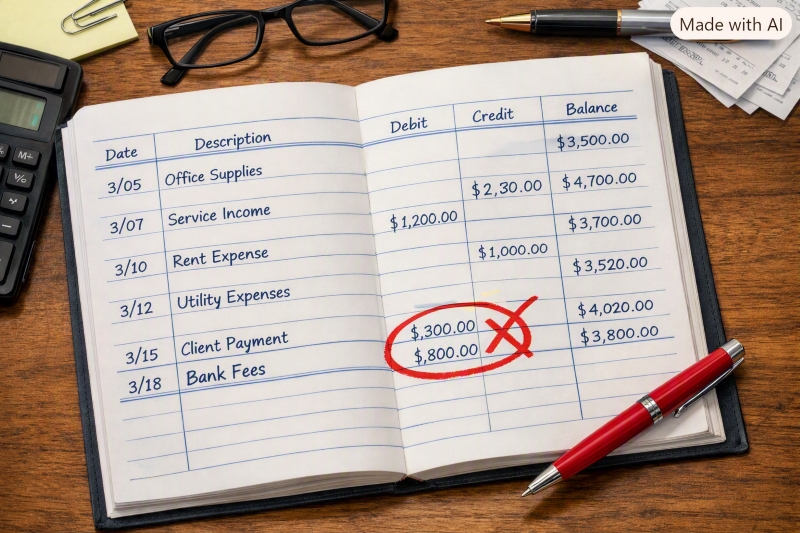
Bookkeeping is one of the most important parts of running a business. Yet, many owners struggle to keep their financial records accurate and up to date. Small mistakes can snowball into larger problems that affect cash flow, tax compliance and long‑term planning. Most of these issues are preventable once you understand what causes them and how they show up inside day‑to‑day operations.
Mixing Personal and Business Finances
Many business owners start out using the same bank account or credit card for personal and business activity. It feels convenient at first, but it quickly creates confusion and makes it difficult to understand true financial performance. Commingled accounts also complicate tax preparation and can raise concerns during an audit. Clear separation protects the business. It also creates a reliable foundation for accurate reporting.
Falling Behind on Bookkeeping
A common mistake is postponing bookkeeping until the backlog becomes overwhelming. When transactions sit for a long time, details get forgotten. Errors become harder to correct. Delayed bookkeeping also limits visibility into cash flow, which affects decisions about growth. Consistent upkeep prevents small issues from turning into costly problems and keeps financial information current enough to guide the business.
Misclassifying Expenses
Business owners often place expenses in the wrong category, especially when they are unsure how certain purchases should be recorded. Misclassification distorts financial statements and can lead to incorrect tax treatment. It also makes it harder to identify areas that need attention. A clear chart of accounts tailored to the business helps maintain accuracy. When uncertainty arises, professional guidance prevents long‑term errors.
Skipping Bank Reconciliation
Bank reconciliation is essential for confirming that recorded transactions match actual account activity. Many owners assume their accounting software is accurate because it connects to their bank, but automated feeds can still miss details or duplicate entries. Without regular reconciliation, errors accumulate and financial reports become unreliable. Reconciling accounts on a routine schedule ensures that discrepancies are caught early and corrected before they affect larger decisions.
Poor Documentation Practices
Receipts, invoices and contracts often get misplaced or forgotten. Missing documentation creates problems during tax preparation and makes it difficult to verify expenses. It also limits the ability to support deductions if questions arise later. Digital storage and consistent record‑keeping habits help maintain a complete audit trail and reduce the risk of lost information.
Not Understanding Compliance Requirements
Some business owners overlook rules related to depreciation, revenue recognition or payroll taxes. These mistakes can lead to inaccurate financial statements and potential penalties. Staying informed about compliance requirements or working with a professional ensures that financial records reflect the true position of the business.